
You can achieve steady weight loss without cutting your daily meals down to tiny portions. The secret is to eat large volumes of whole foods that contain high amounts of water, fiber, and protein. When you fill your plate with the right items, your body stays satisfied while your daily calories naturally drop.
How to Lose Weight Without Starving
The safest way to drop body fat is to stay in a small calorie deficit of 300 to 500 calories each day. Large calorie cuts lower your basal metabolic rate and increase stress hormones. When you keep your food intake close to your total daily energy needs, your body burns fat while keeping your muscle tissue safe.
You should aim to lose about one pound per week. This speed keeps your energy high and prevents the strong hunger pangs that ruin most diets. You do not need to skip meals or fast for half the day to get steady results.
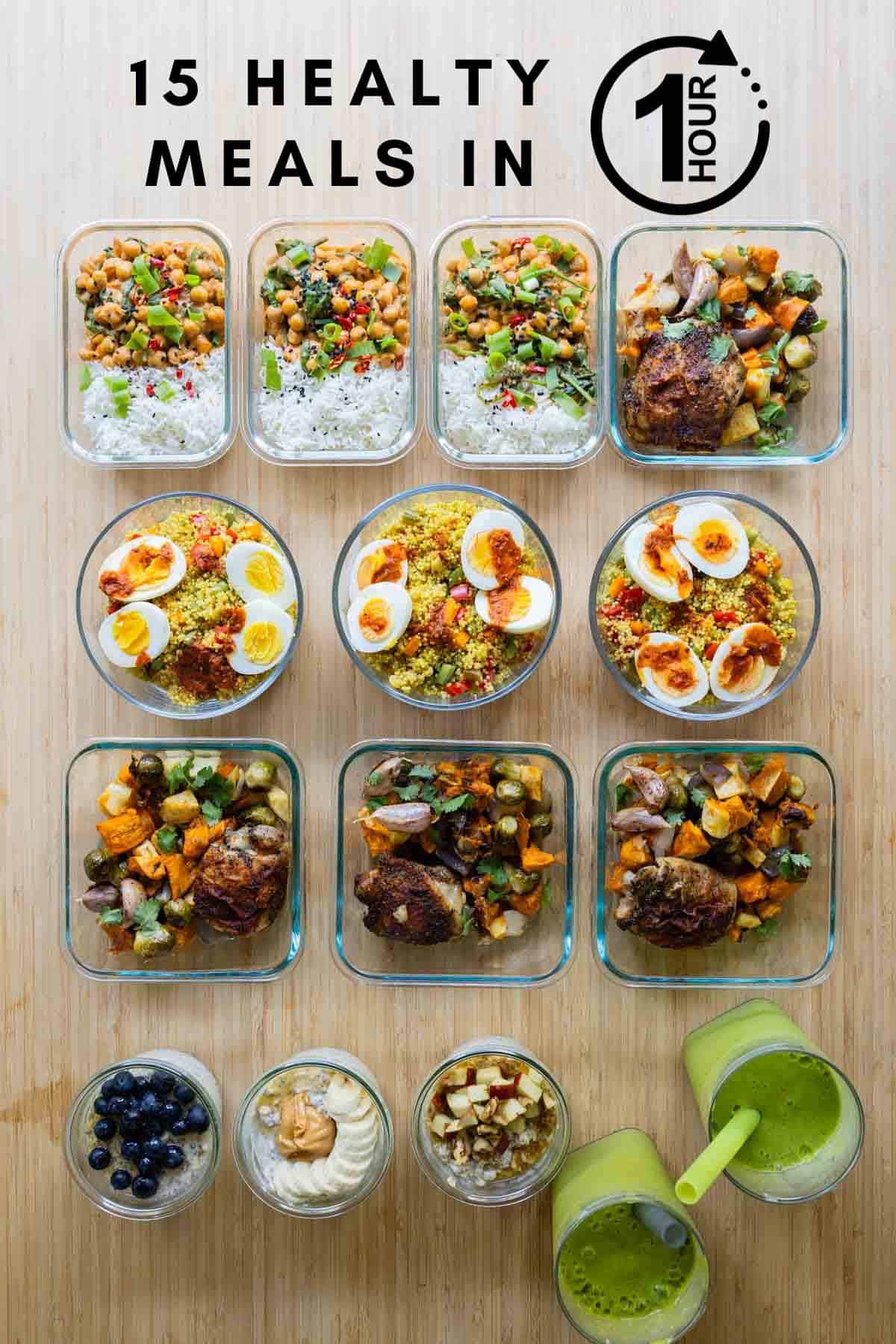
Build High Volume Plates for Every Meal
High volume eating means picking foods that take up a lot of room on your plate without adding tons of calories. Green vegetables, berries, and egg whites let you eat large portions while keeping your overall energy intake low. This mechanical stretch in your stomach signals your brain that you are full.
Fill half of your dinner plate with non-starchy vegetables before adding anything else. This simple habit cuts your calories down automatically without making you feel deprived during mealtime.
- Add two cups of fresh spinach or kale to your morning eggs or smoothies.
- Swap standard pasta for two cups of cooked zucchini noodles or spaghetti squash.
- Eat one whole cucumber sliced with salt ten minutes before your lunch.
- Mix one cup of cauliflower rice into your regular white or brown rice.
Eat Enough Protein at the Right Times
Protein takes a long time for your stomach to break down, which keeps you full for three to four hours after a meal. Aim for 25 to 35 grams of lean protein every time you sit down to eat. Spread this intake evenly across three main meals instead of saving it all for dinner.
If you skip protein in the morning, you will likely feel intense sugar cravings by mid-afternoon. Starting your day with eggs, Greek yogurt, or chicken sausage sets a steady blood sugar baseline for the rest of your day.
- Eat three large eggs cooked with half a cup of cottage cheese for breakfast.
- Pack four ounces of canned tuna or salmon for your midday lunch salad.
- Choose six ounces of grilled chicken breast for your evening meal.
- Keep one cup of plain fat-free Greek yogurt ready for an afternoon snack.
Drink Water Before You Eat Food
Thirst feels almost identical to stomach hunger in your body. Drinking 16 ounces of plain water twenty minutes before every meal fills your stomach and stops you from overeating. This single habit can cut your meal calories by ten percent without extra effort.
Set a timer on your phone for 10:00 AM and 3:00 PM to drink a large glass of water. Staying hydrated keeps your digestion moving smooth and prevents the sluggish feeling that makes you reach for sweet snacks.
Fix Your Sleep to Stop Daily Cravings
Getting less than seven hours of sleep per night boosts your hunger hormone, which is called ghrelin. It also lowers your fullness hormone, called leptin. When you are tired, your brain naturally seeks quick energy from high-fat and high-sugar items.
Turn off screens thirty minutes before bed to help your mind relax. Going to bed at the exact same hour every night keeps your appetite hormones balanced, making your food choices much easier the next day.
Comments
Post a Comment