
Late night eating usually happens when you are tired, stressed, or simply bored. You sit on the couch after a long day, and suddenly the kitchen starts calling your name. You are not even truly hungry, but you find yourself staring into the fridge anyway.
The trick to break this habit is to fix your daytime meals and build a simple wind-down routine. Most people stop snacking at night once they eat enough protein at dinner and get their hands away from screens before bed. It is not about daily willpower. It is about setting up your day so late night cravings do not happen in the first place.
Why You Want to Eat Late at Night
Your body has an internal clock that controls sleep, wake times, and hunger hormones. When you stay up past your normal bedtime, your body looks for quick energy to stay awake. Carbohydrates and sugary snacks give you that fast burst, which is why chips and ice cream sound so good at 10:00 PM.
Under-eating during the day is another massive reason for evening hunger. Sarah, a teacher who struggled with night snacking for years, used to skip breakfast and eat a small lunch salad. By 9:00 PM, her brain was screaming for food because she had only eaten 900 calories all day. Her body was just trying to keep her alive.
Stress also plays a big part in evening food runs. After answering emails, taking care of kids, or dealing with traffic, your brain wants a reward. Eating tasty food releases dopamine, a chemical that makes you feel relaxed for a few minutes. To stop the cycle, you must separate physical hunger from emotional comfort.
Eat Enough Food Before 7 PM
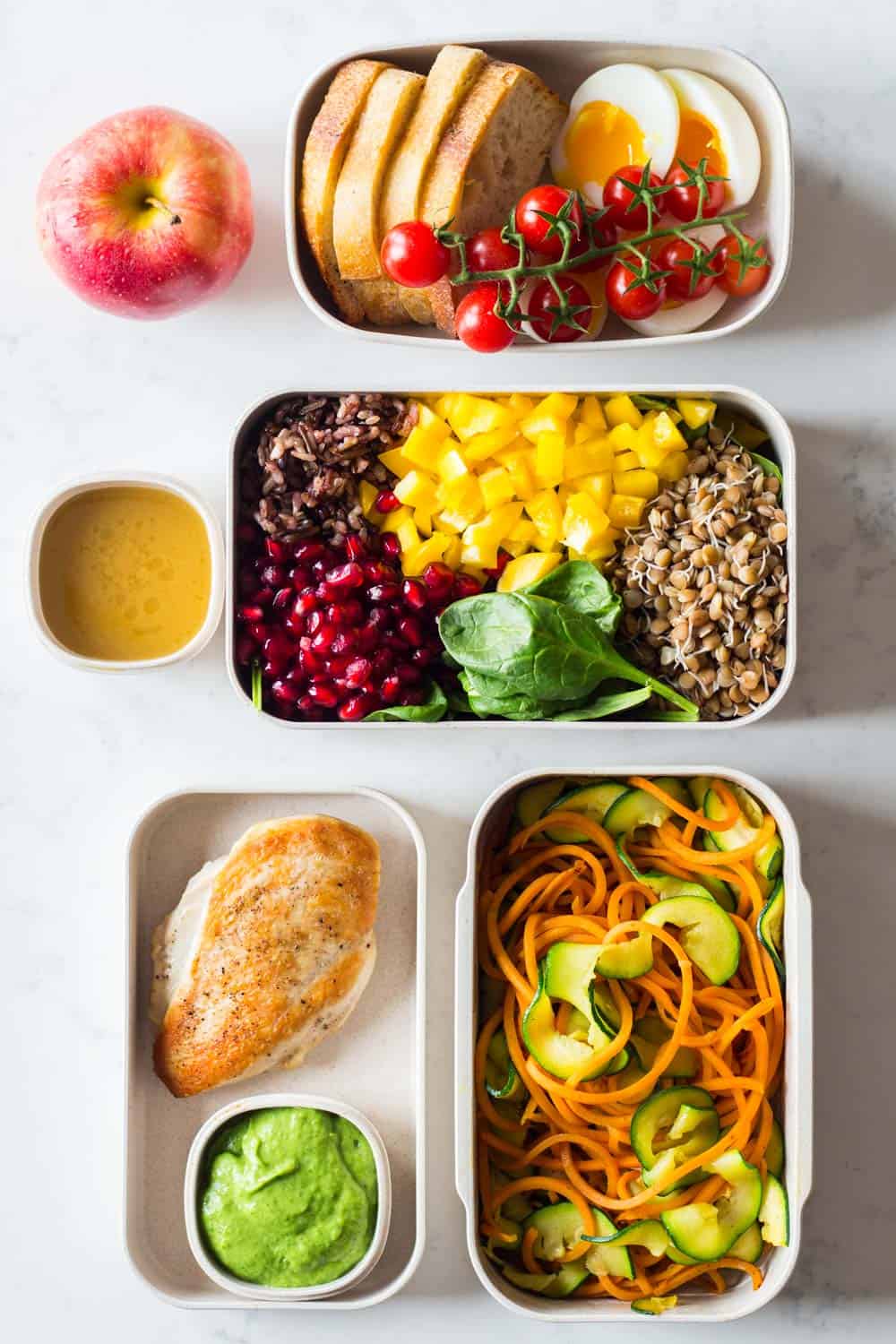
If you want to end night cravings, you must eat real meals during the sunlit hours. Skimming on food at breakfast or lunch almost always backfires when the sun goes down. Aim to eat three solid meals that leave you full and steady.
Make sure your dinner has plenty of protein, high-fiber foods, and healthy fats. Protein keeps you full longer than anything else you can put on your plate. A good target for dinner is 25 to 35 grams of protein. That looks like a palm-sized piece of chicken, a cup of Greek yogurt, or three big eggs.
Here is what a balanced night meal plan can look like to keep you full until morning:
- Six ounces of baked salmon or chicken breast
- One full cup of roasted broccoli or green beans
- Half a cup of cooked brown rice or sweet potato
- One teaspoon of olive oil used for cooking
When you eat a meal like this, your stomach stays full for hours. If you still want to learn how to manage food portions without feeling empty, check out this guide on How to Lose Weight Without Starving Yourself. Eating enough real food is always the first step.
Change Your Evening Routine to Beat Boredom
Many people eat at night simply because their hands are empty while watching television. Sitting on the couch creates a automatic habit loop. You sit down, turn on the show, and reach for a bag of snacks without thinking.
Break the loop by changing where you sit or what you do with your hands. Try folding laundry, painting your nails, or doing a simple puzzle while watching your favorite shows. You can also move to a different chair in the living room to break the old physical trigger.
Mark, an office worker, used to eat half a box of cereal every night at 9:30 PM. He started drinking a warm cup of peppermint tea right after washing his dinner dishes. The strong mint taste signaled to his brain that eating time was completely over. That one tiny change saved him over 400 extra calories every single night.
Fix Your Sleep to Stop Night Cravings
Lack of sleep messes up your body's natural signals for hunger and fullness. When you get less than seven hours of rest, your body makes more ghrelin, the hormone that makes you feel hungry. At the same time, your body makes less leptin, the hormone that tells you to stop eating.
A classic study on Dieting shows that tired adults eat about 300 more calories per day than well-rested adults. Most of those extra calories come from high-fat, high-sugar snacks consumed late in the evening.
Set a firm sleep alarm for yourself just like you set a wake-up alarm. Turn off the TV and put your phone in another room 30 minutes before bed. Blue light from screens tricks your brain into thinking it is still daylight, which keeps you awake and looking for food. Going to bed 45 minutes earlier might completely cure your late night eating habit.
What to Do When You Are Truly Hungry
Sometimes you are actually hungry late at night, and that is okay. If your stomach is growling or you feel lightheaded, forcing yourself to sleep hungry will only ruin your sleep quality. You just need to choose the right kind of food.
Avoid foods loaded with refined sugar or heavy grease before bed. Spicy foods can cause heartburn, while sugary foods cause a blood sugar spike that disturbs your sleep. Instead, pick a small snack under 200 calories that combines a little bit of protein with complex carbohydrates.
Good choices for a true late night snack include:
- Half an apple with one tablespoon of natural peanut butter
- Half a cup of plain Greek yogurt with a few blueberries
- One hard-boiled egg with a small handful of cherry tomatoes
- A small bowl of oatmeal made with water and cinnamon
Eat your small snack away from the television, at the kitchen table. Eat it slowly, enjoy every bite, and then wash your plate and brush your teeth. Brushing your teeth acts as a clear physical end to eating for the night.
Make Your Kitchen Off-Limits After Dinner
Creating physical boundaries in your home makes it much easier to stick to your goals. Once dinner is cleared and the dishes are done, clean the counters and turn off the kitchen light. A dark kitchen sends a strong signal that the kitchen is closed for business.
Stop keeping trigger foods in your house if they tempt you every night. If you keep large bags of chips, cookies, or ice cream in the pantry, you will eat them when you are tired. Keep those items out of the house, or buy single-serving packs for special occasions outside the home.
If you need extra ideas for long-term health changes, explore our collection of practical tips on healthy lifestyle advice for daily weight management. Small changes to your daily environment lead to massive wins over time.
Be patient with yourself as you build these new evening habits. You might still reach for a snack on some nights, and that does not mean you failed. Just notice why it happened, get a good night of rest, and start fresh with a balanced breakfast tomorrow morning.
Comments
Post a Comment